Why Entity-Based SEO Is the Next Step After Keywords
Moving Beyond Keyword Matching
For years, SEO meant picking a phrase, checking its volume, and weaving it into a page a few times. That approach still works, but it has limits. Google now reads pages more like a person would, understanding what things are and how they relate. That shift is what makes entity-based seo so important for anyone who wants durable rankings.
Think about how you search. You might type "best running shoes for marathons" or "how does a car thermostat work." Google does not just match those words to pages. It tries to understand the entities involved: running shoes, marathons, a thermostat, a car. It pulls from its Knowledge Graph, which stores facts about people, places, products, and concepts, and uses that to judge relevance.
What Entities Mean for Search
An entity is a distinct thing with a stable identity. It can be a person, a brand, a place, an event, or an idea. Google has been building this understanding for years, starting with projects like Freebase and then folding that data into the Knowledge Graph. When you search for a brand like Walmart, Google knows the retailer, its locations, and its products. It does not need the exact phrase "Walmart stores near me" to show you local results. It understands the intent.
This is a big change from the old days. Search used to rely on exact and partial keyword matches. Now semantic search lets Google interpret meaning. Algorithms like RankBrain and BERT help the search engine parse queries, especially longer, conversational ones. RankBrain looks at unfamiliar words and tries to map them to known entities. BERT understands context, so prepositions and connectors matter. The result is that pages about a topic, not just a keyword, have a better chance of ranking.
This is where entity-based seo comes into play. Instead of obsessing over one keyword, you build content that clearly defines entities and their relationships. You help Google connect your page to the right concepts in its Knowledge Graph. That makes your content more likely to surface for a range of related queries, not just the exact phrase you targeted.
How Google Decides What Matters
Google uses a concept called entity salience to decide which entities on a page are most important. Salience is a measure of how central an entity is to the overall content. If you write a detailed guide about car maintenance and mention "thermostat" several times in meaningful contexts, Google will likely treat that as a key entity. That helps your page rank for thermostat-related queries even if the exact phrase does not appear in the title.
Practical way to think about it: you are not just writing for a keyword, you are writing about a subject. The more coherent and comprehensive your coverage, the clearer the entity signals. This is why topic clusters work so well. You publish a core page that covers a broad topic, then support it with several related articles. Each piece links back to the core, and together they show Google you have real expertise in that area.
Structured Data Makes Your Entities Visible
One of the most direct ways to help Google understand your entities is through structured data, usually in the form of Schema.org markup. This is code you add to your pages that explicitly tells search engines what things mean. You can mark up a product, a person, an organization, an event, or a recipe. When done well, it can lead to rich results, like star ratings or breadcrumbs, that make your listing stand out.
Plugins like Yoast SEO make it easier to add schema without touching code. You can set the type of content, add metadata, and let the plugin generate the markup. But the markup alone is not enough. The visible content on the page has to match what the markup claims. If you mark a page as a product review, the text must actually review that product. Google is good at spotting mismatches, and a mismatch can hurt trust.
Entity Linking and Context
Entity linking is the process of connecting mentions in text to known entities in a knowledge base. When you write about the BBC, Google wants to know you mean the broadcaster, not some other use of those letters. Using consistent names, adding context, and linking to authoritative sources can help. But you do not need to link to Wikipedia in every paragraph. A natural mention with enough surrounding detail usually does the job.
Tools like Google NLP can show you which entities Google detects in your content and how confident it is. You can paste a draft into the Natural Language API demo and see the entities, their salience, and the sentiment. That gives you a snapshot of how Google might interpret your page. If the main entity is not what you intended, you know to revise.
Practical Steps to Build Entity Authority
Getting started with entity-based seo does not require a complete overhaul of your process. It is more about changing how you think about content and measurement.
- Map out the entities that matter for your niche. Think of the products, people, and concepts your audience cares about. Write these down and keep them in a reference doc.
- Build topic clusters around those entities. Pick one core entity for your main page, then create supporting posts that explore related subtopics. Link them naturally.
- Use consistent names and descriptors. If you write about a product, use its full name the first time, then a short form later. Avoid random aliases that confuse the meaning.
- Add structured data where it fits. Mark up your organization, your articles, your products, and your reviews. Keep the markup accurate.
- Check your work with tools. Google Search Console shows you which queries bring traffic, so you can see if you are ranking for related terms. Ahrefs and Moz can show you which entities your competitors mention and how they structure their content.
None of these steps are exotic. They are just more deliberate ways of doing what good writers already do: explain things clearly and thoroughly. The difference is that now you are doing it with a model of how Google reads and stores information.
Why This Matters for Your Rankings
When you align your content with entities, you can win even without the exact keyword in every variation of a query. Suppose you run a site about home brewing. You write a detailed guide on fermentation temperature. If Google recognizes your page as a strong source on the entity "fermentation," you might rank for questions like "what temperature is too high for beer yeast" even if you never used that exact phrase. That is the payoff of entity-based seo: relevance that extends beyond a word-for-word match.
There is a trade-off, though. Building entity authority takes time. You cannot just add a schema markup and expect instant results. You need consistent, high-quality content that covers a topic from multiple angles. That is more work than writing a quick keyword-stuffed post. But the rewards are steadier. Pages that rank because they genuinely answer questions tend to hold their positions longer.
Also, entity-based seo is not a replacement for traditional keyword research. It is an extension. You still need to know what people search for, and you still need to use the words they use. The difference is that you also think about the underlying concepts. You ask yourself: what entities are involved in this query, and how can my page demonstrate that I understand them?
Putting It Into Practice
Start small. Pick one core page on your site and rewrite it with entities in mind. Identify the main entity, make sure it appears early and clearly. Add related entities where they add context. Use Schema.org markup to reinforce the message. Then watch how your performance changes over a few weeks.
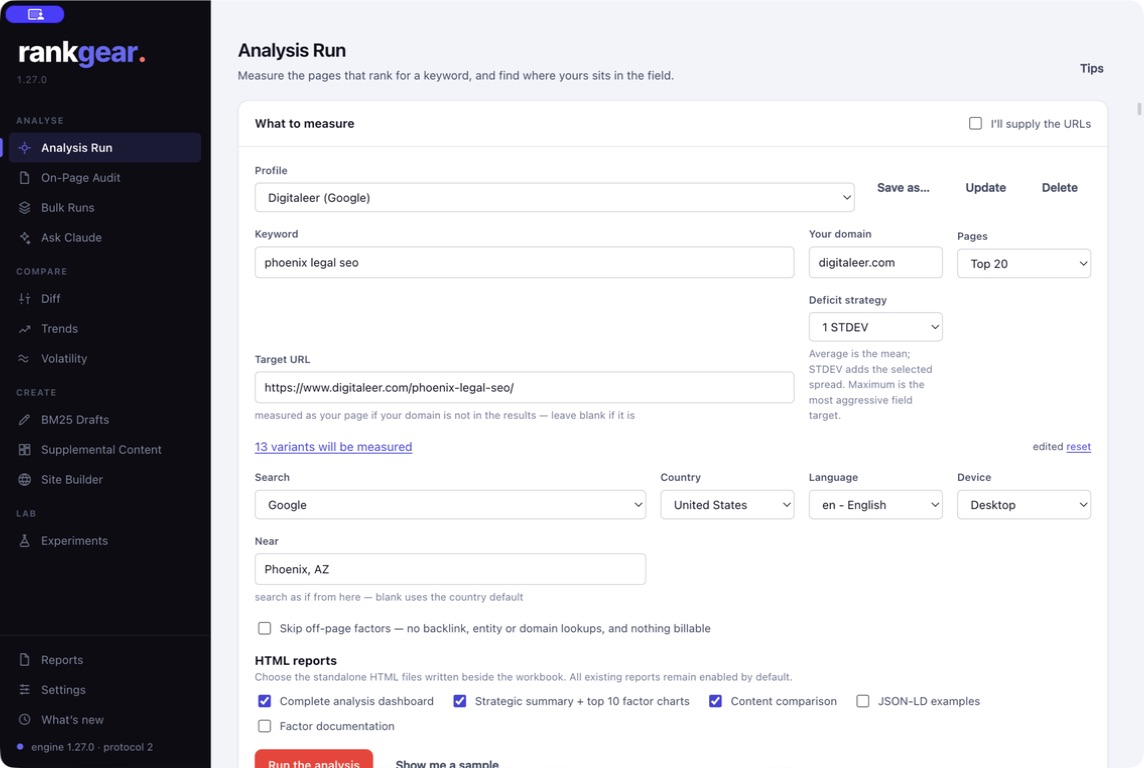
You do not need every tool out there. A combination of Google Search Console, a good content management system, and maybe an SEO suite like Ahrefs or Moz is enough. The important part is the mindset. You are no longer just targeting a string of characters. You are targeting a concept, a thing, a subject that Google already knows about. When your page aligns with that subject, the search engine rewards you with visibility.
That is the core lesson. Keywords are still the entry point, but entities are the real destination. If you build your content around clear, well-defined subjects and make it easy for Google to connect the dots, you set yourself up for more relevant traffic and steadier rankings. That is what entity-based seo offers, and it is worth the extra thought.